
The historical evolution of gambling from ancient practices to modern-day trends
The historical evolution of gambling from ancient practices to modern-day trends
Origins of Gambling in Ancient Civilizations
The roots of gambling can be traced back to ancient civilizations, where it was often interwoven with cultural and religious practices. Archaeological findings indicate that games of chance were popular in ancient China, with rudimentary forms of dice dating back over 3,000 years. Similarly, the Egyptians engaged in various betting activities, evidenced by artifacts depicting dice and other gaming instruments. These early forms of gambling often served not only as entertainment but also as a means of divination and a way to predict the future. Today, you can find excitement in the latest brand new slot sites that continue this tradition of chance.
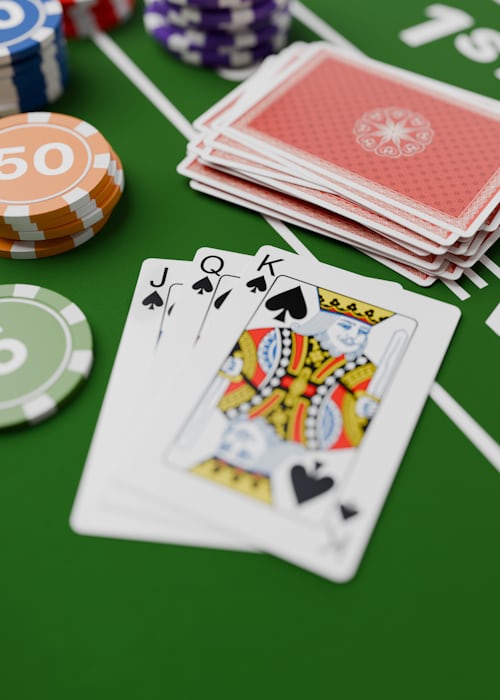
In ancient Rome and Greece, gambling was integrated into social life, with popular games like dice and betting on athletic events. While these activities were occasionally frowned upon, they flourished in both urban and rural settings. The social acceptance of gambling in these cultures laid the groundwork for its evolution in the centuries to come, showcasing how deeply embedded it was in human interaction and societal norms.
The Middle Ages and the Rise of Formal Gambling
As the medieval period unfolded, gambling underwent significant transformations, particularly in Europe. The establishment of formal gambling houses and the proliferation of card games marked a notable shift from informal betting practices. These venues became social hubs, where people gathered not only to gamble but also to socialize and engage in other recreational activities. The introduction of playing cards, likely from the Middle East, further diversified the gambling landscape, adding layers of strategy and chance.
During this time, various gambling laws emerged as governments attempted to regulate the practice. These regulations reflected the cultural perceptions surrounding gambling, often oscillating between acceptance and prohibition. While some rulers embraced gambling as a form of entertainment, others viewed it as a vice that could lead to moral decay. This duality in perception has persisted through the ages, influencing how gambling is perceived and regulated in contemporary society.
Gambling in the Age of Enlightenment and Beyond
The Age of Enlightenment sparked a renewed interest in gambling, leading to the establishment of iconic gaming venues such as Monte Carlo and Las Vegas. The advent of probability theory and mathematical analysis transformed gambling strategies, making it more appealing to the educated elite. The concept of the casino, as a formalized place for gambling, began to take shape, attracting a diverse clientele eager to experience the thrill of chance.
During this period, gambling also gained a reputation as a leisure activity for the wealthy. However, this era also witnessed the rise of gambling-related issues, such as addiction and financial ruin. As gambling became more mainstream, societal attitudes evolved, with increasing awareness of its potential negative effects. This prompted discussions surrounding responsible gambling, which continue to be relevant in today’s society.
The Digital Revolution and Modern Gambling Trends
The advent of the internet revolutionized gambling in the late 20th century, paving the way for online casinos and mobile betting platforms. Gamblers no longer needed to visit physical establishments; instead, they could place bets from the comfort of their homes. This shift has made gambling more accessible and has attracted a younger demographic that values convenience and speed. The rise of online gaming has introduced innovative practices, such as live dealer games and interactive betting experiences.
Moreover, the integration of technology has led to advancements in responsible gambling initiatives, with features designed to help players manage their gaming habits. As attitudes towards gambling continue to evolve, discussions about regulation, ethics, and the societal impact of gambling are increasingly pertinent. The modern landscape reflects a complex interplay between tradition, innovation, and social responsibility.

Exploring the Future of Gambling
As we move forward, the future of gambling will likely be shaped by ongoing technological advancements and changing cultural perceptions. Innovations such as virtual reality and blockchain technology have the potential to redefine the gaming experience, creating immersive environments that blur the lines between the virtual and real world. Additionally, the growing acceptance of gambling in various cultures is leading to a more globalized gambling market.
Our website is dedicated to exploring these dynamic trends in gambling history and their implications for the future. By providing comprehensive insights and analysis, we aim to foster informed discussions about the evolution of gambling practices. Whether you’re a casual player, a history enthusiast, or someone interested in the implications of gambling in society, our platform offers valuable information to deepen your understanding of this fascinating subject.